As known, humans are the only living beings that are aware they are mortal. In essence, most of the culture we have been creating since the dawn of humanity deals with this annihilating fact and our awareness of it. We have invented religions, philosophies, and superstitions of any kind to find a shred of consolation with regard to the anguishing thought that sooner or later we will no longer exist. Of course, none of this really works as we have not been able to revert biology laws. So far. Digital immortality is yet another attempt to “defeat” death.
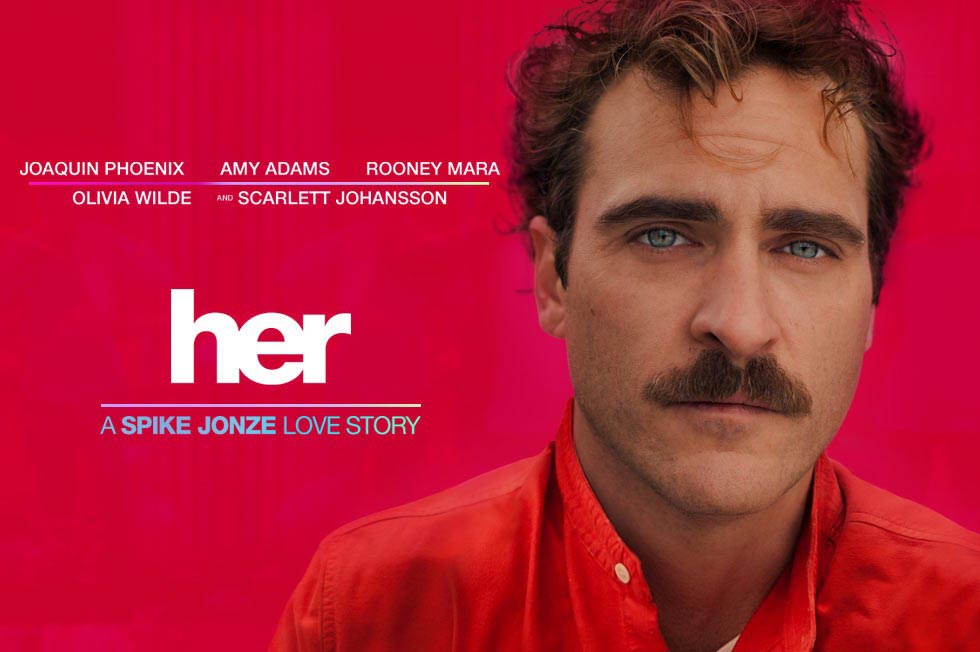
In my spare time, I dabble in the role of investment committee coordinator of a holding company that finances startups and innovative SMEs. Needless to say, in the last years, almost all of the enterprises that have gotten in touch with us have claimed their products make use of Artificial Intelligence (AI) to some extent. No matter if they are involved in the new space economy or sell home hairdressing services, nowadays every founder states their core technologies are AI-powered — what a surprise! Some of the new companies my team and I have assessed — we examined more than 100 startups/innovative SMEs in 2023 only — are building business ideas around death. In brief, they are developing services to keep alive memories of dead people. In practice, they are thinking about how to achieve “immortality” by leveraging modern digital technologies. For instance, one of these companies is planning to develop a sort of AI-based, digital avatar of humans who passed away. Six years ago, I already addressed the topic of immortality. Reading again that post makes it evident how ridiculous the technological progress has been since then. The frontier of ethical issues is advanced alongside, however. The following is just one of the million problems that would arise. This avatar would be trained thoroughly while its “master copy” is still alive. The minute the real person dies, the avatar becomes available for the relatives of the defunct. The avatar is so well-trained that perhaps relatives’ brains would not even perceive the loss. After thinking about it for a while, I started wondering if a society that gets rid of the grief process would be healthy. Interestingly, the European Union just approved its first AI Act. I am not a lawyer so I am not qualified to interpret it properly, but I suspect that such an application would fall into the “unacceptable risk” category because nobody knows what consequences it would have on real people. What if the interaction with these avatars leads to self-hurting behaviors, for instance? What if relatives develop true feelings for this thing as envisioned in the famous Her movie? To me, it is clear that the most challenging issues of the outgoing digital revolution will be non-technical. This is one of the reasons why I enrolled in this post-graduation course. Stay tuned.
Credits
Featured image: https://images.app.goo.gl/gN26qFWpE7aUMfA47

 LLandre.com