Abraham Maslow
I thought about this maxim while taking a geopolitics course last month. This famous quote popped into my head because the underlying lesson I was given was that geopolitics—especially the one presented in the course, which is denoted as human—is the only adequate framework for explaining almost any relevant process that has occurred in the history of mankind. Whether we are talking about the splitting of the Anglican church that occurred in the 16th century or the technological innovations applied by the major Silicon Valley companies, according to this kind of approach everything can be traced back to the geopolitical drives that underlie the conflict between the collectivities that make up our species. I do not feel able to say whether this method is really that definitive or not. However, I can report some impressions based on my experience. Nevertheless, since we remain in the domain of the social sciences, we must not forget that the events under investigation are the result of numerous factors linked to human behavior rather than being strictly governed by natural principles.

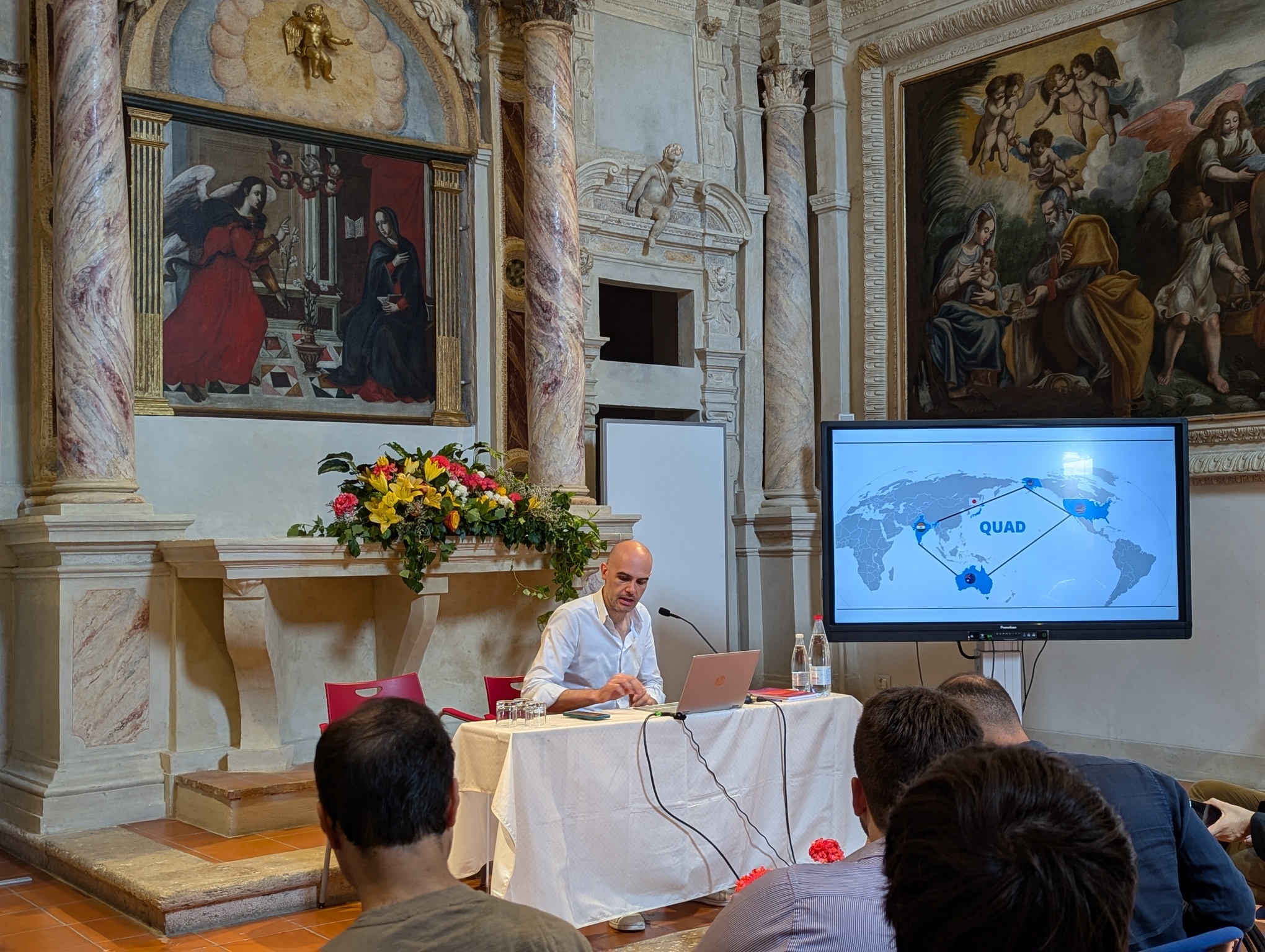
- Regardless of whether one believes that this kind of method is well-founded, it does present an engaging intellectual challenge as it forces us to view events from a different perspective than we are usually accustomed to. For instance, human geopolitics heavily downplays the role of politics and economics, which have traditionally been considered two determining factors to the point of sparking wars.
- The occasion was an excellent opportunity to get in touch with other people interested in the topic who, however, have completely different backgrounds from mine. In particular, I had the opportunity to discuss with attendees who have humanistic studies behind them (e.g., in history and philosophy) and who are therefore supposed to be better equipped to critically evaluate the approach underlying human geopolitics. The most pressing question for me to ask these people was whether they found any flaws, at the historical, logical, or other level, in the narration of the events based on the approach illustrated in the course. In essence, neither did they find structural inconsistencies that would allow us to assert that the method presented was inconsistent.
- A common feeling that I found in the participants is the sensation of disorientation that causes this kind of approach. This is because it basically overturns many of the notions that are learned in traditional curricula and often demolishes many of our beliefs that have been cemented over decades. Using a cinematographic analogy, it looks like a red pill/blue pill situation.
- Whatever your opinion of human geopolitics, I think it has one undeniable merit: to comprehend the movements of geopolitical entities like nations and empires, it forces you to view the world through the eyes of the subject you are focusing on, for which a thorough understanding of culture and history is essential.
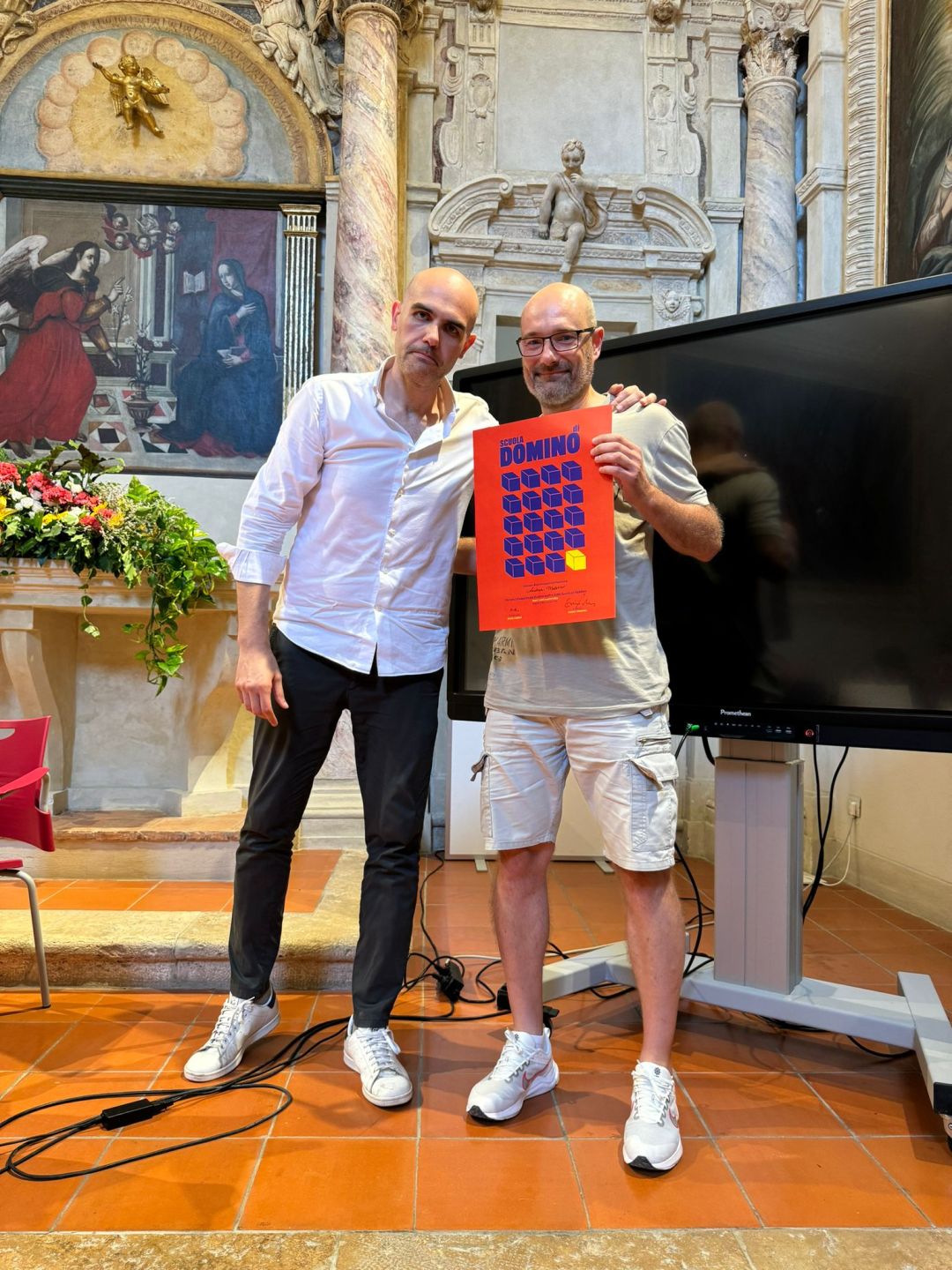
Despite the fact that the course was focused on the current clash between the US and China, during the lectures many topics in the geopolitical sphere were touched, even not closely related to the main issue. One in particular impressed me very much as I had been able to talk about it in this blog, although from completely different perspectives. I refer to the potential transformations that may occur in our society if automation—in all its manifestations—proliferates to the point where work essentially becomes superfluous for the majority of the population. It seems that this scenario is a nightmare for political strategists because we would face such radical changes that maintaining control over society would become extremely difficult if not impossible. According to this hypothesis, who is responsible for the tactical choices of the geopolitical powers is wondering how to manage technological progress in this area. On the one hand, they would be pushed on this front to maintain/conquer supremacy. On the other hand, however, they are concerned that too sudden diffusion of these technologies could lead to an unmanageable situation. In this regard, I had the opportunity to deepen the issue with one of the lecturers who recommended, among other things, this book on the subject.
I conclude this post with a couple of sentences I heard during the course. They were pronounced by one of the speakers and I think they grasp very well the spirit of the approach that was presented. I write them in Italian first as originally spoken. One lesson of the human geopolitics is indeed that the language used to articulate a concept is extremely important because it is intimately connected with the culture of the subject expressing it. As such, it should be kept unaltered if possible.
La cittadinanza è sentimento e violenza. (Citizenship is emotion and violence.)
Cosa c’è di più umano dell’autoestinzione? (What is more human than self-extinction?)

 LLandre.com
One thought on “Human geopolitics”
Comments are closed.