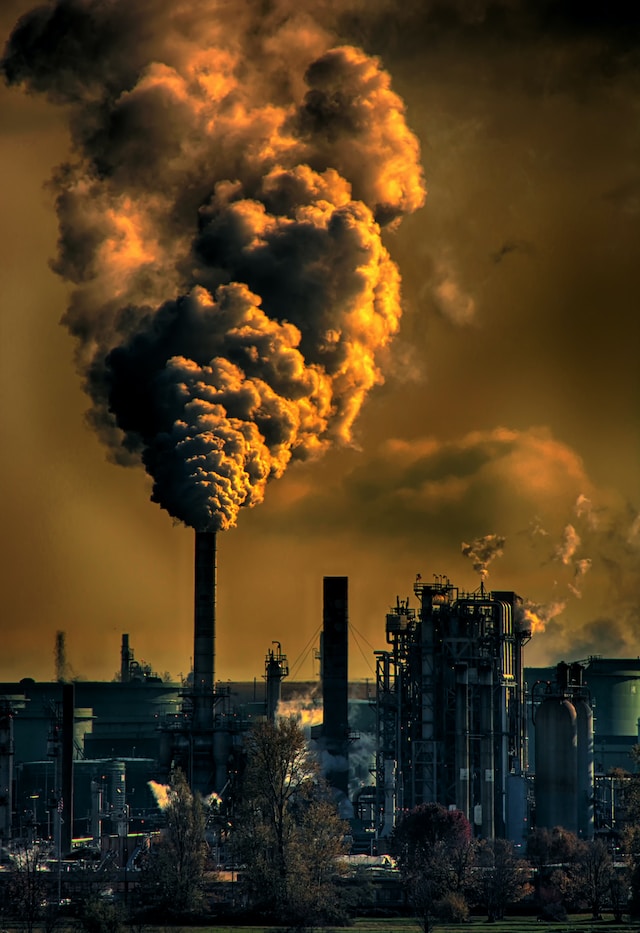

The energy transition is being discussed everywhere. However, based on many comments on social media, it appears that a huge portion of the population has a mistaken picture of it. In light of what I’ve read on the subject, it seemed fair to lay down a few points in a vademecum. I hope that, besides me, this post will be valuable to anyone who may have questions concerning this momentous phenomenon. There is a huge assumption at the heart of this blog: I take for granted what the vast majority of global experts believe, i.e. that if we continue at this rate, the impacts of global warming will be such that the human species will be extinct in roughly eighty years. I don’t want to enter into the merits of the reliability of this forecast because I lack the necessary skills. Because there is widespread agreement in the scientific community, I’m confindent this prediction is realistic, at least in first approximation.
- The governments of the world are supposed to clearly explain to their citizens that the energy transition will have enormous economic and social costs. It should also be clear that it is up to politics to decide how to distribute such burden.
- It is crucial to remember the fact that the problems of this breadth should be addressed using a holistic approach. Focusing on a single measure while losing sight of the bigger picture is detrimental. Electric vehicles are a well-known example. The majority of people are focused on the transition from internal combustion engines to electric motors, with all it entails. I rarely see people studying the subject with a system approach, as I believe we should. Before discussing which technology is best suited for future automobiles, I believe it would be more appropriate to discuss mobility in its whole. How should we design future mobility? Does it still make sense that car ownership is so common, particularly in urban areas? Does it still make sense that we pay for public transportation? Shouldn’t it be free instead? And so on. This approach would reveal a variety of coordinated and harmonious actions to be undertaken. Within this framework, the issue of automobile motors would be considered as well. To construct the building of energy transition, though, we would start from the foundation rather than the roof, which is what appears to be happening right now.
- Another aspect that bothers me is that these issues are often addressed in a regional context. Again, politics should make it clear that we can only win this battle if we all fight together on a global scale. If each country thinks for itself, I believe we will get few results. Is it realistic to expect 8 billion people to agree today on issues of such an extent, taking into account that they involve conflicting interests among several nations? It is not, but I don’t believe there are many alternatives. Despite all of its limitations and difficulties as stated above, it is important to recognize that the European Union is trying to go forward with a continental vision, which is better than nothing. Yet, I’m afraid it wont’be enough.
- Whoever is in charge of the government needs to make it clear that each of us will likely need to change some of our behavioral habits. Eating as much meat as we are used to in Western countries, flying at very low prices, storing tons of photos and videos in the cloud at ridiculous costs are just a few examples of actions that are currently part of our daily lives but may no longer be possible tomorrow, at least not in the same forms and ways that we are used to.

Ovunque si parla di transizione energetica. Leggendo molti commenti nei social, mi sembra però che buona parte della popolazione ne abbia una visione distorta. Mi è sembrato opportuno quindi fissare qualche idea in un vademecum. Spero che, oltre a me, questo possa essere utile per altre persone che dovessero porsi qualche domanda su questo fenomenco epocale. Di fondo c’è una assunzione pesante: prendo per buono quello che la stragrande maggioranza degli scienziati a livello planetario sostiene, cioè, che continuando di questo passo, gli effetti del global warming saranno tali da portare in una ottantita di anni alla estinzione della specie umana. Non voglio entrare nel merito della solidità di questa previsione – non ne avrei nemmeno le competenze. Essendoci ampio accordo nella comunità scientifica, ritengo che questa previsione sia attendibile, almeno in prima approssimazione.
- I governi dei paesi dovrebbero spiegare in maniera cristallina ai cittadini che la transizione energetica comporta dei costi economici e sociali non grandi, ma immensi. E dovrebbe essere altrettanto chiaro che è compito della politica decidere come ripartire questi costi.
- È fondamentale non scordarsi che problemi di questa portata vanno affrontati con un approccio olistico. Focalizzarsi sulla singola misura perdendo la visione di insieme è deleterio. Il classico esempio è quello relativo alle automobili elettriche. La maggior parte delle persone si concentra sul passaggio dal motore a combustione interna a quello elettrico, con tutto quello che questo comporta. Rarissimamente vedo affrontare la questione con un’ottica di sistema come io credo andrebbe invece fatto. Prima di parlare di quale sia la tecnologia più adatta da adottare per le auto del futuro, penso cioè che sarebbe più sensato ragionare in termini di mobilità. Come dobbiamo costruire la mobilità del futuro? Ha ad esempio ancora senso avere un parco auto di proprietà così grande, specialmente nelle aree urbane? Ha ancora senso far pagare il trasporto pubblico? Da questo tipo di approccio discenderebbe un mix di azioni da intraprendere, coordinate ed armonizzate tra loro, all’interno del quale troverebbe posto anche la questione dei motori delle auto. Così facendo, però, si partirebbe dalle fondamenta e non dal tetto nella costruzione di questo metaforico edificio come invece mi sembra si stia facendo oggi.
- Un altro aspetto che mi lascia molto perplesso è il fatto che si affrontano spesso questi temi in un ottica regionale. Ancora una volta, la politica dovrebbe far ben presente che questa sfida la vinciamo se la affrontiamo tutti assieme – a livello cioè planetario. Se ogni nazione ragiona per proprio conto, credo che si otterrà ben poco. È realistico pensare di mettere oggi d’accordo 8 miliardi di persone su temi di questa portata che coinvolgono pesantemente interessi confliggenti tra le varie nazioni? Non lo è, ma non credo ci siano molte alternative. Va dato atto all’Unione Europea che, nonostante tutti i suoi limiti e le mille difficoltà per quanto detto sopra, stia tentando di portare avanti uno sforzo con una visione continentale. Non è poco, ma temo non sarà sufficiente.
- Chi ha responsabilità di governo dovrebbe anche dire chiaramente che con tutta probabilità ciascuno di noi dovrà cambiare alcune abitudini di comportamento. Consumare carne in quantità come siamo abituati a fare nei paesi occidentali, usufruire a costi irrisori del trasporto aereo, salvare tonnellate di foto e filmati nel cloud a costi risibili sono solo alcuni esempi di azioni che fanno parte della nostra quotidianità, ma che un domani potremmo non più permetterci, almeno non nelle forme e nelle modalità a cui siamo abituati oggi.
Credits
Photo by Chris LeBoutillier on Unsplash.

 LLandre.com